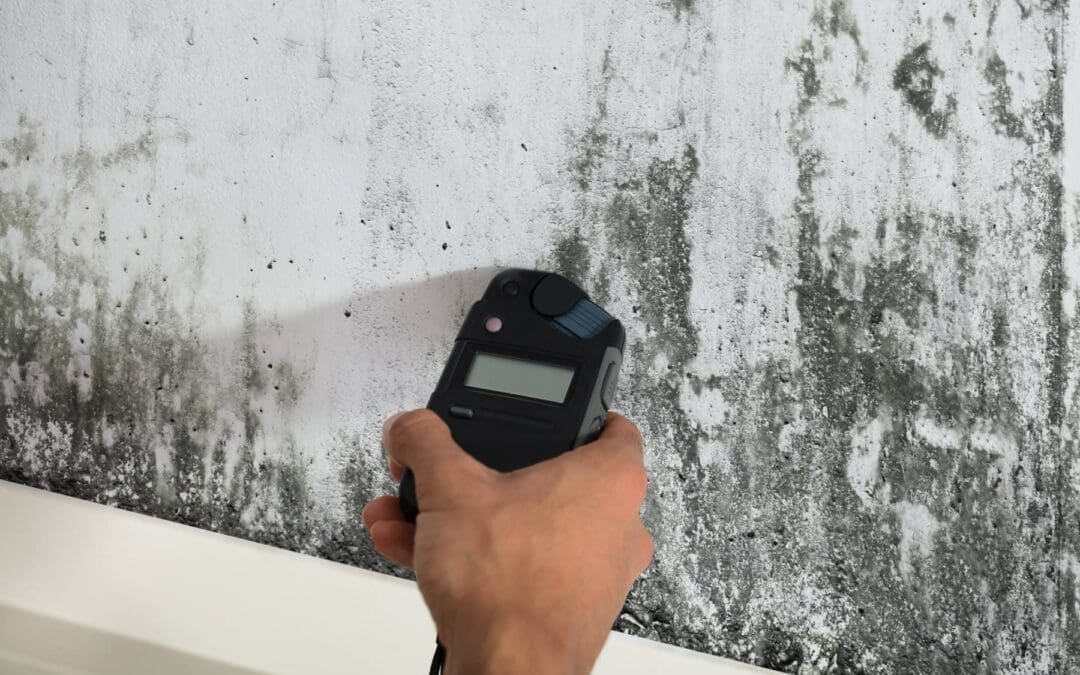
Water damage is one of the most costly and frustrating issues homeowners face, and it doesn’t always appear where you expect. Understanding the common areas where this kind of damage occurs helps homeowners spot problems early, prevent extensive repairs, and protect both the structure and value of their property. From hidden leaks behind walls to roof issues that start small, damage can silently undermine a home if left unchecked.
Why Water Damage Happens in Unexpected Places
Many homeowners assume the damage only comes from obvious sources like floods or burst pipes, but it often begins subtly. Minor leaks, condensation, or poor drainage can slowly create issues over time. The consequences can include mold growth, rotting wood, compromised insulation, and structural weakening. Early detection is key, as the longer this kind of damage persists, the more expensive and invasive repairs become.
Damage Around Windows and Doors
One of the most common places this occurs is around windows and doors. Improperly sealed frames or worn weather stripping allows rainwater to seep in, often pooling behind walls or under flooring. Even small leaks can cause paint to peel, wood to warp, or drywall to weaken over time. Regular inspection and resealing are essential to prevent these problems.
Roofing and Attic Water Damage
The roof protects the home from the elements, yet it is another area where water damage frequently occurs. Damaged shingles, missing flashing, or clogged gutters can allow water to penetrate the roofline. Once inside, water may collect in the attic, leading to stained ceilings, rotting beams, and insulation damage. Roof leaks often worsen slowly, making it important to inspect the attic after storms or during routine maintenance.
Plumbing-Related Damage
Plumbing failures are a major source of water damage in homes. Leaky pipes, dripping faucets, or failing water heaters can create hidden problems behind walls, under sinks, or beneath flooring. Even a small, slow leak can cause significant damage over time, weakening subfloors and promoting mold growth. Routine plumbing checks and timely repairs prevent minor issues from escalating.
Water Damage in Basements and Crawl Spaces
Basements and crawl spaces are particularly vulnerable to damage. Poor drainage, foundation cracks, or high groundwater levels can allow water to enter these low-lying areas. Moisture accumulation can lead to mold, structural decay, and even electrical hazards if outlets or wiring are exposed. Installing sump pumps, sealing cracks, and monitoring humidity levels can reduce risks in these spaces.
Damage in Bathrooms and Kitchens
Bathrooms and kitchens experience frequent water use, making them hotspots for water damage. Leaking toilets, shower pans, and sinks can damage flooring and cabinetry. Grout and caulking can deteriorate, allowing water to seep beneath tiles or behind walls. Regular maintenance, proper ventilation, and quick repairs are essential to prevent long-term damage in these high-traffic areas.
Appliances as Hidden Sources of Water Damage
Appliances like washing machines, dishwashers, and refrigerators with ice makers can also contribute to damage. Loose hoses, faulty connections, or worn seals may leak slowly, often going unnoticed until damage becomes obvious. Inspecting appliance connections and replacing worn parts proactively can prevent costly repairs later.
How to Prevent Water Damage in Your Home
Awareness is the first step in protecting your home. Regular inspections of vulnerable areas, maintenance of roofs and gutters, sealing windows and doors, and monitoring plumbing and appliances help prevent damage before it starts. Investing in preventive measures not only protects your home’s structure but also saves money by avoiding emergency repairs.
FAQs
- What is the most common cause of water damage in homes?
Leaking pipes, faulty roofing, and poor drainage around windows and doors are among the most frequent causes. - How can I spot water damage early?
Look for signs like discoloration, peeling paint, warped wood, musty odors, or unexplained stains on ceilings, walls, and floors. - Can water damage be prevented entirely?
While not all risks can be eliminated, regular inspections, maintenance, and proper drainage greatly reduce the likelihood of significant damage. - Is water damage covered by home insurance?
Coverage varies depending on the cause. Sudden incidents like burst pipes are often covered, while slow leaks or neglect typically are not. - How quickly should water damage be addressed?
Immediate action is recommended. The longer water sits, the more damage occurs, and the higher the cost of repairs.
Home Right Property Inspections offers inspections to homebuyers and sellers in the Southern California area. Contact us to request our services.
Recent Comments