Awareness of chemicals in your home is crucial for creating a safe and healthy living environment. Many homeowners are surprised by the number of household products that contain chemicals, from cleaning supplies and paints to personal care items and pest control solutions. While these products serve important functions, improper use or storage may pose health risks. Understanding the types of chemicals present and how to manage them effectively helps protect both your family and your home.
Understanding the Chemicals in Your Home
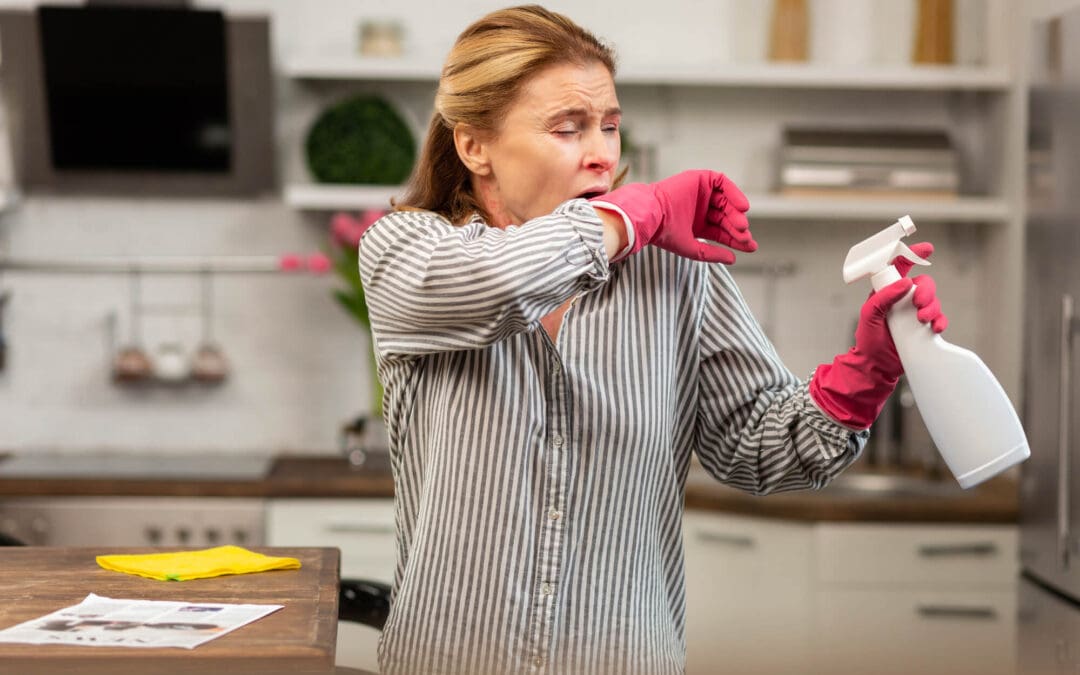
Recognizing the presence of chemicals in your home is the first step toward a safer living environment. Many substances emit fumes that can be toxic if ingested or may cause skin or eye irritation. Children and pets are particularly vulnerable, as they are more likely to come into contact with hazardous products. Being aware of these chemicals allows homeowners to take proactive steps in reducing exposure, maintaining clean air, and preventing accidental poisoning or injuries.
Common Chemicals in Your Home and Their Uses
Household products often contain active ingredients specifically designed for their intended purposes. Cleaning products may include bleach, ammonia, or solvents to remove stains and disinfect surfaces. Paints, varnishes, and adhesives release volatile organic compounds (VOCs) that affect indoor air quality. Insecticides, rodenticides, and other pest control chemicals contain substances that are toxic to targeted pests but are also harmful if mishandled. Even personal care items, such as nail polish removers and certain cosmetics, contain chemicals worth monitoring. Understanding their uses and risks helps homeowners make informed decisions.
Safe Storage of Chemicals in Your Home
Proper storage is a key part of managing chemicals in your home. Products should be kept in their original containers with labels intact and stored in secure locations, away from children and pets. Cabinets with locks or high shelves are ideal for hazardous substances. Temperature and humidity may also affect chemical stability, so storing items in cool, dry locations helps maintain their effectiveness and safety. Avoid storing chemicals near food or in areas where accidental spills could occur.
Protect Indoor Air Quality
Some household chemicals release fumes that affect indoor air quality. VOCs from paints, cleaning agents, and adhesives may contribute to headaches, dizziness, and respiratory irritation. Using products in well-ventilated areas, opening windows, and operating exhaust fans will help reduce the concentration of airborne chemicals. Choosing low-VOC or environmentally friendly alternatives when possible also helps minimize exposure and supports healthier indoor air.
Proper Usage to Minimize Risks
Using household chemicals correctly is critical for safety. Always follow the manufacturer’s instructions, wear protective gear if recommended, and never mix products unless explicitly stated to do so. Combining chemicals, such as bleach and ammonia, could produce dangerous reactions. Measuring and applying only what is needed prevents excessive exposure and waste. Regularly checking expiration dates and disposing of outdated products further reduces potential hazards.
Disposal of Chemicals in Your Home
Disposing of chemicals responsibly protects both people and the environment. Never pour hazardous substances down drains or into the trash where they could contaminate water or soil. Many communities offer household hazardous waste collection programs that accept cleaners, paints, pesticides, and other chemicals. Participating in these programs guarantees that chemicals are handled safely and reduces environmental impact.
Alternatives to Reduce Chemical Use
Homeowners seeking to minimize the use of chemicals in their homes should explore safer alternatives. Natural cleaning agents like vinegar, baking soda, and lemon juice can replace harsher chemicals for many tasks. Non-toxic pest control methods, low-VOC paints, and eco-friendly personal care products help limit exposure while still maintaining effectiveness. Combining alternatives with proper ventilation and safe storage promotes a healthier home environment.
Frequently Asked Questions (FAQs)
What are the most common hazardous chemicals in homes?
Cleaning products, paints, adhesives, pesticides, and certain personal care items often contain chemicals that could be harmful if misused.
How do I minimize exposure to household chemicals?
Proper storage, using products as directed, choosing low-VOC or natural alternatives, and ensuring good ventilation all help reduce exposure.
Are chemicals in my home harmful to children and pets?
Yes, children and pets are more susceptible to chemical exposure due to their size and behavior. Keeping chemicals out of reach is crucial.
How should I dispose of hazardous household chemicals?
Use local household hazardous waste programs to dispose of chemicals safely. Never pour them down the drain or toss them in regular trash.
Can I replace chemicals in my home with safer alternatives?
Many household chemicals can be replaced with natural or low-toxicity alternatives, which are safer for people, pets, and the environment.
Home Right Property Inspections offers inspections to homebuyers and sellers in the Southern California area. Contact us to request our services.
Recent Comments